
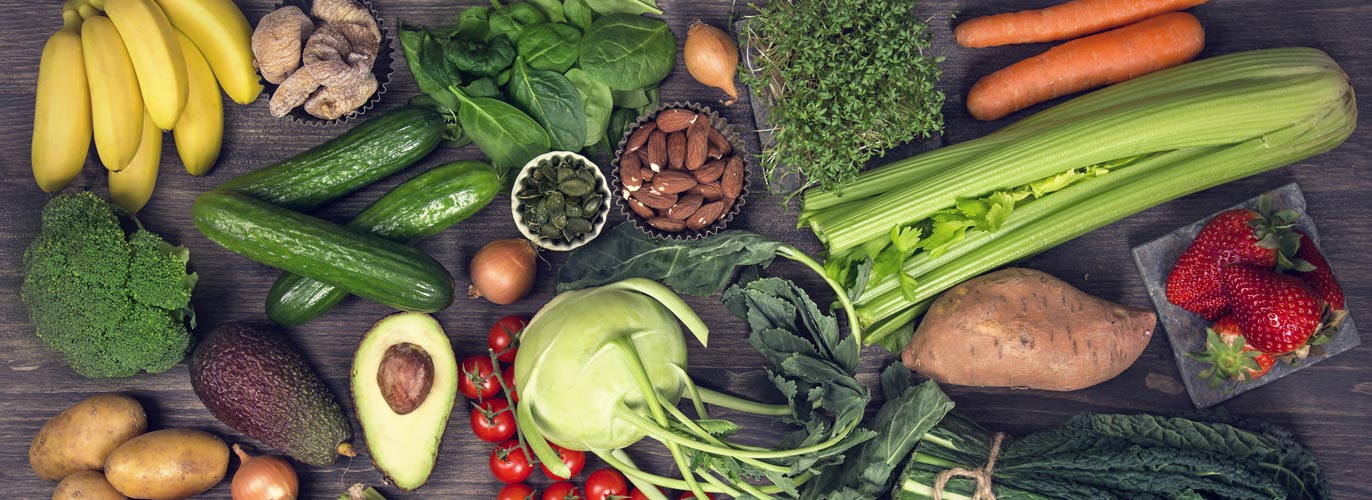
Healthy eating and maintaining a balanced diet starts with the foods you bring into your home. These foods will serve as the building blocks and set the foundation for nutritious meals, balanced snacks, and overall healthy eating habits. Having your kitchen stocked with nutritious whole foods and snacks that are readily available can reduce the temptation to order takeout or reach for processed snack foods and meals when life gets busy. Whether you’re just starting your health journey or looking to refine your eating habits, prioritizing your grocery list ensures you’re always prepared to whip up nourishing meals.
We’ll start with fruits and vegetables, as they are the backbone of any healthy diet due to the essential vitamins, minerals, antioxidants, and fiber they provide that most people are deficient in. Having things in your fridge like spinach, kale, lettuce, and mixed greens will allow you to throw together an easy salad or can even be used for smoothies as well. Vegetables like broccoli, cauliflower, brussels sprouts, green beans, and asparagus can always serve as side dishes for your meals, and these are typically the vegetables we want close to half of your plate to have on them. Other things like bell peppers, carrots, tomatoes, beets, and zucchini are really good to stock in your fridge for adding variety and serving as nutritious fillers to meals like tacos or burrito bowls, salads, sandwiches, etc.
Grains/whole grains and starchy vegetables are important options to add to your grocery list as well as great sources of fiber and vitamin B to support your metabolism and heart health. Foods such as quinoa, rice/brown rice, rolled or steel cut oats, whole grain bread, and high fiber tortillas are great to have in your pantry and give you those balanced carbs you need for energy and side dishes. Other foods like potatoes/sweet potatoes, carrots, and squash are all starchy vegetables and great carbs to add to your pantry that can go a long way and have a variety of uses.
Now it is time for protein, the staple of your meals. Foods you should always try to keep in your fridge or freezer for a healthy kitchen are chicken breast or skinless thighs that you can trim as much fat as possible or turkey breast/ground turkey that can be used in places where beef would usually be used for burgers, tacos, and stir fries for example. Seafood such as salmon, tuna, shrimp, cod, and any other white fish are also great to have whether fresh or frozen, and they are easy to thaw and prepare quickly. Eggs are a staple protein for eating and to have for baking as well as an egg wash. Buying eggs and separating the yolk from the fat or buying liquid egg whites can also be a way to keep fat intake down. Greek yogurt are also really great high protein options that can be used as snacks between meals and great to grab and go from the fridge.
Plant based proteins are great to have along with the aforementioned lean proteins, and they are great and fulfilling choices for the pantry that can feed a family and last a long time. Buying lentils, chickpeas, and beans are perfect additions for that healthy carb and fiber to incorporate with meals. Tofu and tempeh are great sources for those looking to eat more plant-based diets with balanced protein that can be used as meat substitutes, nuts and seeds such as almonds, walnuts, chia seeds, hemp seeds, and pumpkin seeds can be great snacks with healthy protein and fats. Always try to buy low sodium and unsalted versions of some of the foods listed.
Other staples for your fridge are low fat milks and low fat cheeses to ensure that you have calcium, vitamin D, and protein while encouraging a heart healthy diet and keeping cholesterol low. Cooking oils for your pantry should be olive or avocado oils as opposed to butter and margarine, and avocados in general are really good to keep in stock for adding to toast, salads, taco bowls, etc. for healthy fat. Keeping condiments that are low in fat in your pantry such as mustard, salsa, and low fat mayo are great for low fat and low sugar sauces.
Frozen foods are great to buy for convenience. Buying frozen fruits can be great for making smoothies or to use in dishes like frozen blueberries in oatmeal for example. A great tip is to buy a lot of bananas and wait until they are ripe or even over ripe and freeze them to use as the base for your smoothies which would allow you to not use ice or have to add a lot of added sugar for flavor. Frozen veggies are also great for those easy stir fries and sides that you can typically microwave and add to meals as well as frozen grains like pre cooked rice and quinoa.
Being intentional with the snacks you bring into your house is very important for keeping calories down and staying healthy. Buying fresh fruit, greek yogurt, nuts and seeds, hummus and veggies, whole grain crackers, etc. are staples for a healthy kitchen. Trying to limit the amount of cookies, brownies, and other snacks you have and placing these fruits and other foods there in its place is a great start to healthy living.
Overall, having a kitchen stocked with nutritious, versatile staples makes it easier to create healthy meals and snacks day after day. With a little planning and organization, you can build a grocery list that supports your health goals and helps you stay consistent without feeling overwhelmed. Focus on whole, minimally processed foods and balance your plate with a mix of produce, protein, whole grains, and healthy fats. You don’t have to buy everything at once. Start with the basics, add to your kitchen each week, and adjust the list based on your preferences, lifestyle, and nutritional needs. With the right foundation, healthy eating becomes simple and sustainable, and you will be better off for it.